Problem
What was needed?
Publishing explainer videos regularly meant an unsustainable manual chain of research, narration, editing, captions, thumbnails, and uploads.
From a topic file to a publish-ready package: a human-approved YouTube automation producing narration, storyboards, captions, thumbnails, and Shorts.
Platforms
Automation
Role
Architecture and end-to-end development of the pipeline.
Tech stack
Node.js · FFmpeg · OpenCLIP
Status
Launch-ready
Problem
Publishing explainer videos regularly meant an unsustainable manual chain of research, narration, editing, captions, thumbnails, and uploads.
Solution
A single-command pipeline: narration and storyboard are generated from an editorial brief, stock footage is scored against the script by a local OpenCLIP model, Whisper produces word-timed captions, Shorts are derived from the long cut — and nothing reaches publish without passing a hard quality gate.
Outcomes
Visual-script alignment via local OpenCLIP scoring, no cloud vision cost
Quality report with LUFS/true-peak checks + mandatory human approval
SQLite institutional memory preventing topic and footage repetition
Automatic Shorts derivation and timezone-aware scheduling
Build note
The pipeline has shipped 9 long-form videos and 36 Shorts for a YouTube channel. Its defining trait is discipline rather than autonomy: scripts stay editorially human-made, the system accelerates production, and publishing requires a passing quality report, a selected thumbnail, and explicit human approval together. Built-in cost accounting reports per-video token, character, and infrastructure spend.
One tracking system, delivered through two interfaces shaped around each role’s daily workflow.
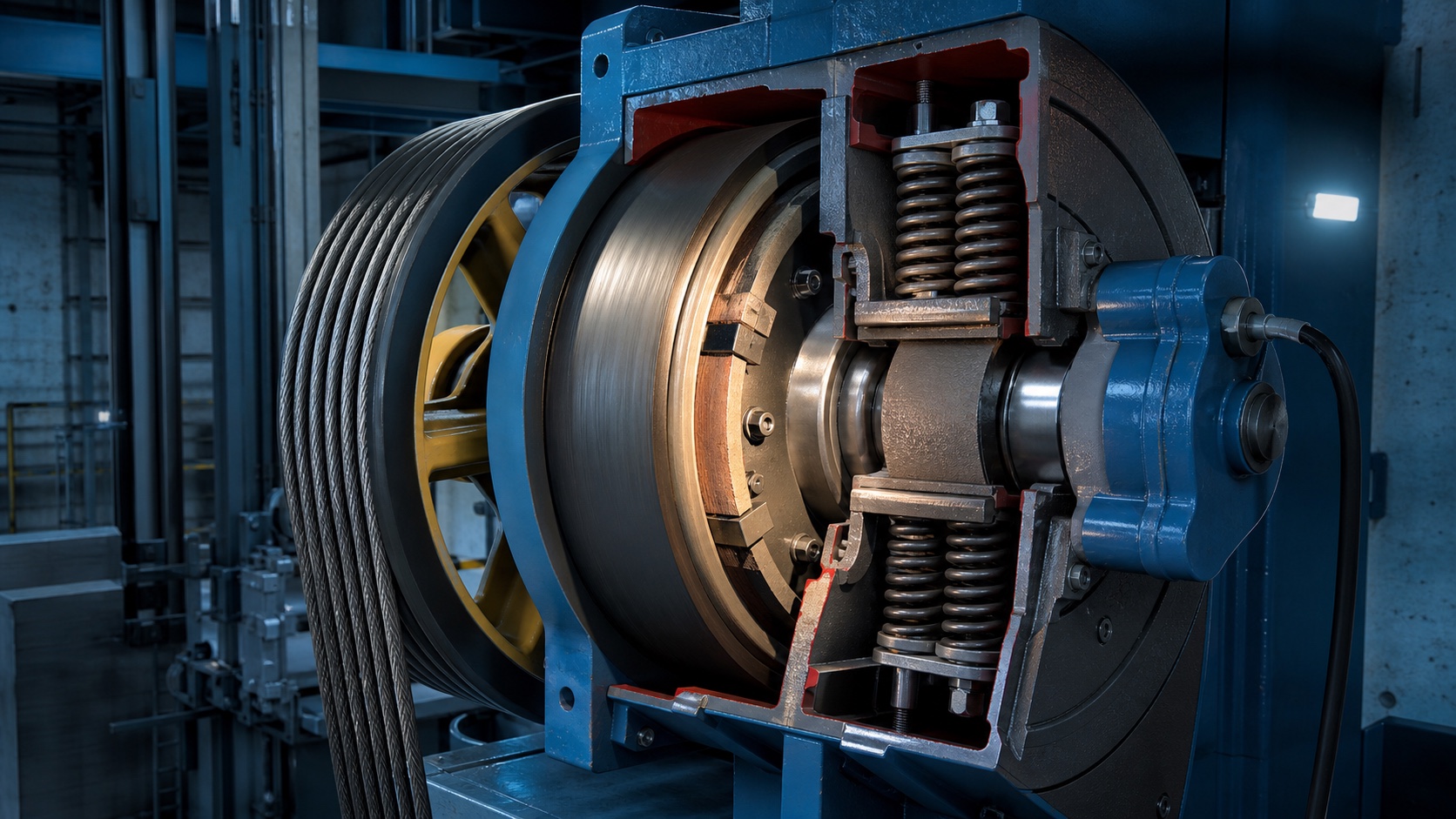
Generated explainer visual
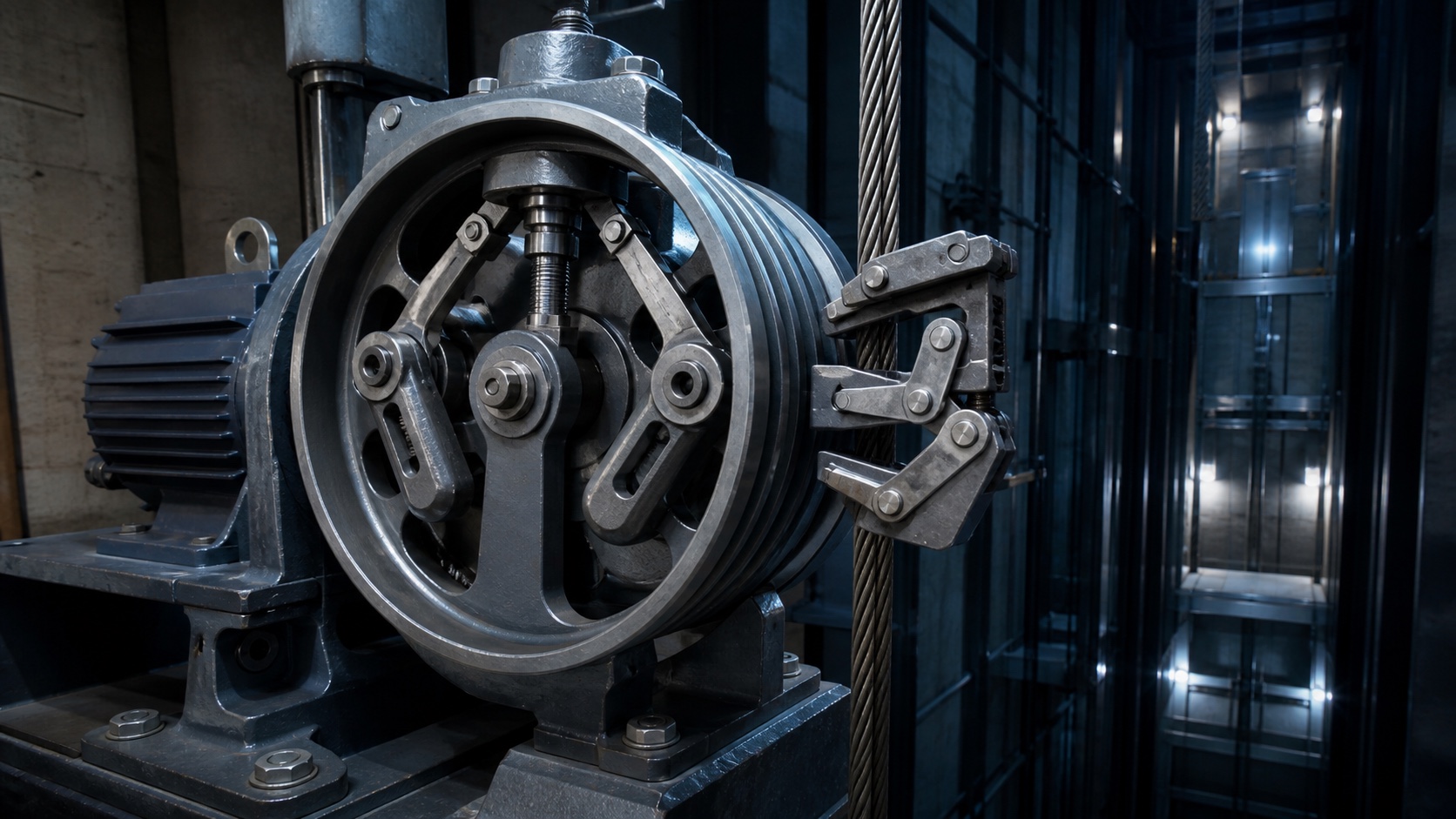
Generated explainer visual
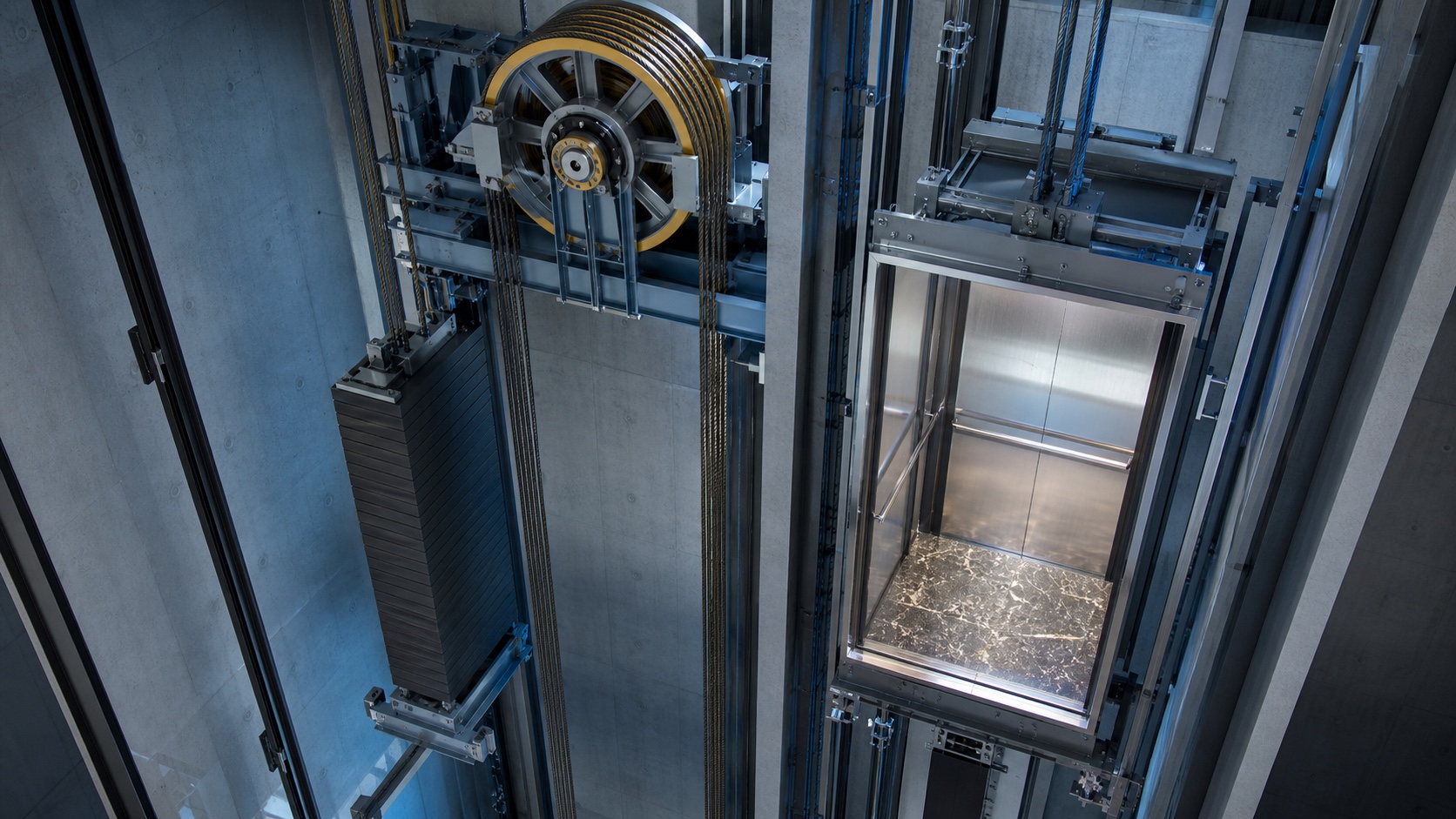
Generated explainer visual
Generated explainer visual